A professional content shoot starts before the camera comes out.
On shoot day, the team may spend eight hours on set, complete three setups, capture content in both vertical and horizontal formats, and produce enough assets for a month of campaigns. None of that happens smoothly without a plan.
Strong content comes from clear goals, a tight production schedule, and a creative team that knows what the brand needs to say. If your brand wants content that looks sharper and works harder, it helps to understand what happens before, during, and after a professional shoot.
Start With Strategy, Not Just a Moodboard
A good-looking shoot means very little if it doesn’t support a business goal.
Before the team locks a location, books talent, or pulls props, they define the purpose of the content. Are they launching a new product? Refreshing the brand? Building a content library for social media, ads, and a website update?
That answer shapes the shot list, styling, framing, and editing plan. Strong content starts with a clear purpose and a real audience, not filler made just to rank.
Your brief should answer the following question:
Who needs to see this content?
Where will the content live?
What action should the viewer take?
What visual tone fits the brand?
Pro tip: Choose one primary objective for the shoot. A content day built around one clear goal will always outperform a shoot trying to do five jobs at once.
Pre-Production Does Most of The Heavy Lifting
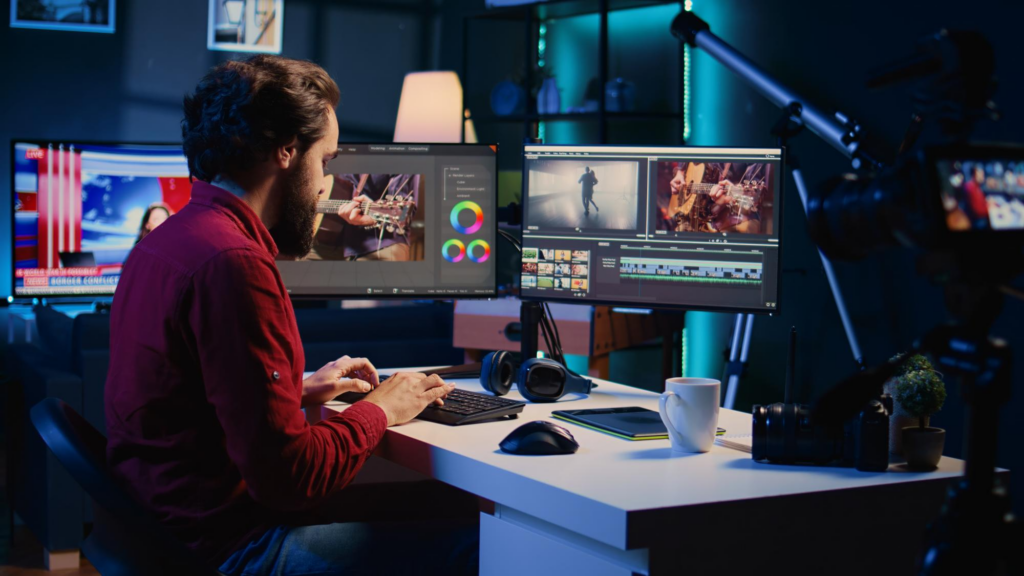
The quality of a shoot usually shows up during pre-production. The team builds the shot list, maps the schedule, reviews creative references, confirms wardrobe, and checks the location.
A detailed plan keeps the day efficient and ensures a high-quality final result. When the crew knows their shot list exactly, they waste less time and capture better coverage.
Pre-production plan often includes:
hero shots, supporting shots, and close-ups
a production schedule
props and styling notes
format planning for socials, website, and ads
Pro tip: Write specific frames into the shot list. “Founder packaging orders at worktable” will get you much better content than “capture some behind-the-scenes footage.”
At this stage, the team decides how to repurpose the shoot for later use. Planning that early saves time on set and in post.
Shoot Day Runs on Timing and Clear Roles
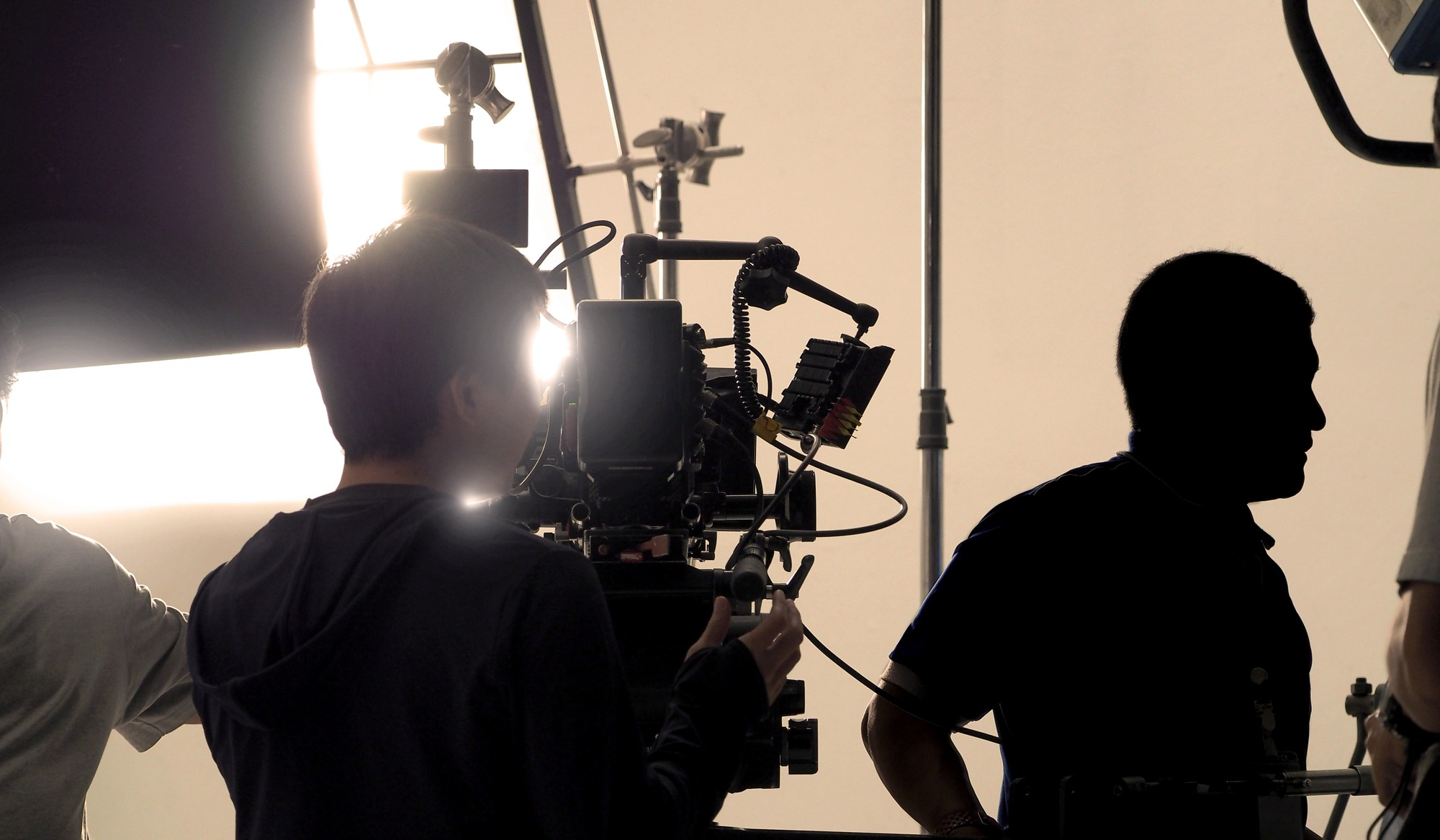
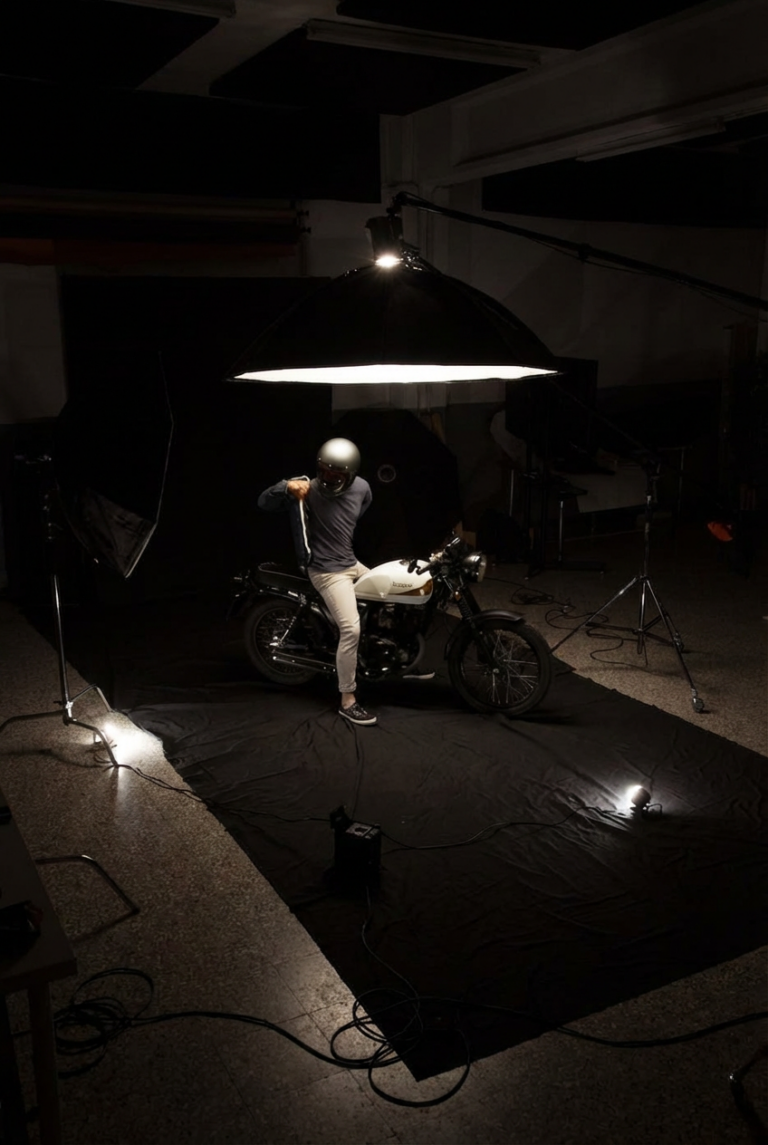
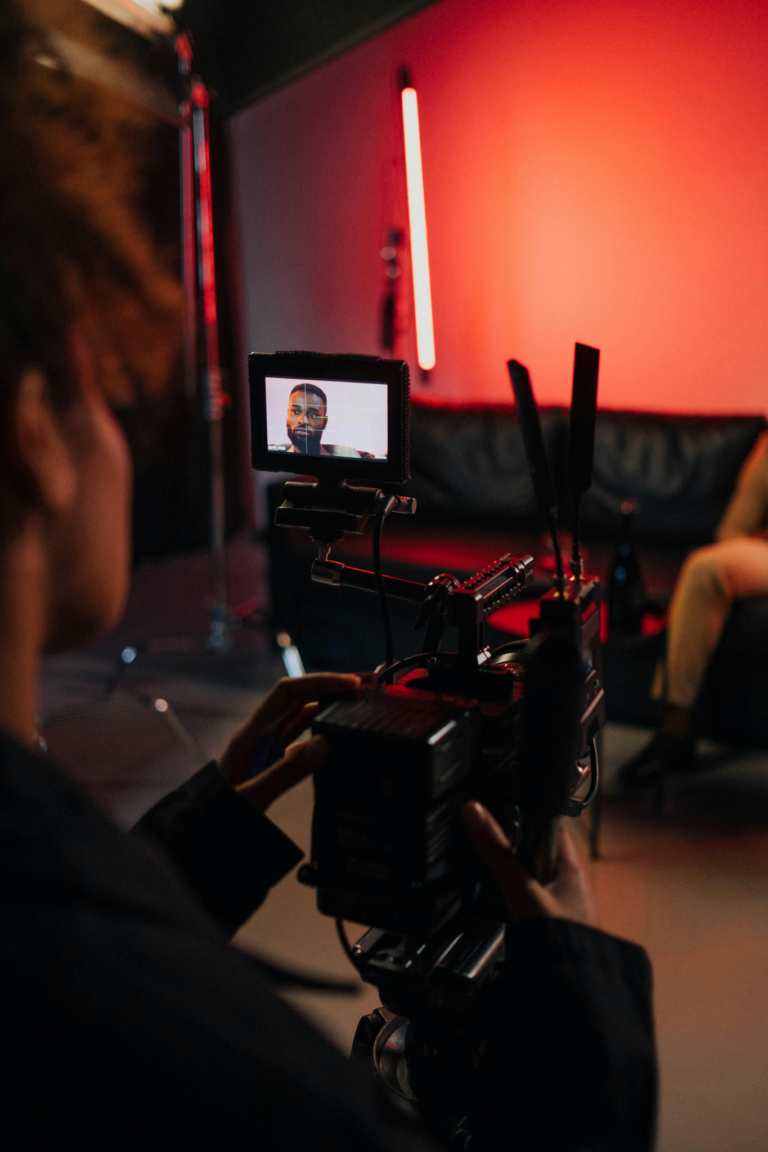
On the day of the shoot, everyone needs to know the plan. A professional content shoot moves fast. The crew adjusts lighting, refines styling, checks framing, directs talent, and tracks coverage simultaneously.
Good teams stay flexible, but they don’t improvise the entire day. They work from one visual direction and keep the priority shots front and center.
A smooth set depends on a few basics:
Capture the hero content first.
keep one focused on tracking the shots and videos completed
protect visual consistency across every steup
leave time for quick variations
Pro tip: Schedule the most important setup first, while the location still looks fresh and the team has the most energy.

The Best Shots Capture More Than the Obvious
The strongest content teams don’t stop once they get the safe version of the shot. They look for details that make the final library more useful: hands in motion, product textures, quick transitions, candid interactions, close-ups, and behind-the-scenes moments. Those extra clips and images often become the assets a brand uses most because they feel flexible, real, and easy to repurpose.
Pro tip: Before you wrap a setup, ask one simple question: What extra detail shot will make this sequence easier to edit later?
That habit helps the team leave with more than a hero image. It helps them leave with a working content system.
Post-Production Turns Raw Footage Into Brand Assets
The shoot doesn’t end when the team packs the gear.
Editing, selects, retouching, color consistency, and delivery planning turn raw footage into content that feels cohesive and ready to publish. Here, the team checks whether each asset aligns with the brand voice and whether the final library works across platforms.
That is the difference between a casual content day and a professional content shoot. One gives you scattered files. The other gives you a strategic set of assets built to perform.
If your brand needs content that looks more polished, feels more consistent, and gives you more to work with after a single production day, explore The Creative Crew‘s services or contact us to plan your next shoot.
FAQs About Professional Content Shoots
What makes a professional content shoot different from a casual shoot?
A professional shoot starts with strategy, follows a detailed production plan, and captures content with specific business goals in mind.
Why does pre-production matter so much?
Pre-production saves time, improves consistency, and helps the crew capture the right assets instead of guessing on set.
How can brands get more value from one shoot day?
They can plan for multiple formats, capture extra detail shots, and build a content library that works across social media, websites, ads, and email.